
Email marketers who haven’t heavily prioritized improving deliverability, relevance, and the user experience should be very motivated to change that ASAP.
Why?
As an early-January announcement from Google plainly and precisely states, Gmail is entering its Gemini era.
Given Google’s broad push into AI, the incorporation of functions from Gemini, its AI-powered assistant, comes as no surprise. But it does introduce some changes to the inbox experience in both obvious and subtle ways that signal even greater stakes for email marketers to nail a few fundamentals of the trade.
In this post, I’ll look at some of the ways Gemini is changing the inbox, what the near-term significance for engagement and visibility looks like, and how I see long-term effects rolling out over the coming months and years.
Before I dig in here on what’s actually changing, a couple of important notes on the scope of this rollout:
- Although Apple is also using Gemini 3 for its AI tools, they’re not (yet) available directly in Apple Mail
- Gemini features are, however, available in the Gmail app on iPhones and iPads
- Some of these features are being tested right now before they roll out more broadly
Now then…
What changes is Gemini bringing to Gmail?
Gemini is producing the following features for all users (note: users do not have to use these features and are able to write and respond to emails as they choose):
- Conversation summaries. When you open an email with dozens of replies, Gmail synthesizes the entire conversation into a concise summary of key points
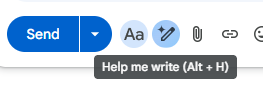
- Help Me Write can be used to polish emails or draft them from scratch (expected this month: an updated Help Me Write feature that integrates context from your other Google apps to improve personalization)
- Suggested replies that use the context of your conversation to provide relevant, one-click responses that match how you write
- Prioritization of your VIPs based on signals like people you email frequently, those in your contacts list, and relationships Gmail infers from message content
As noted, the ability to ask your inbox questions with AI Overviews is only available to Google AI Pro and Ultra subscribers.
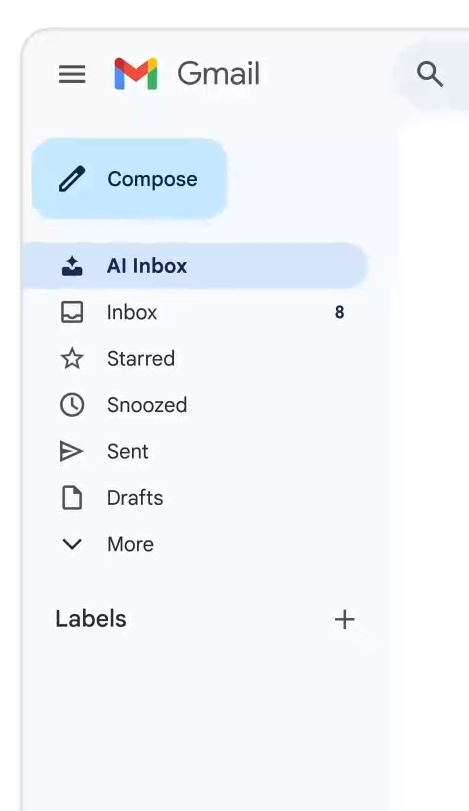
AI inbox is in testing right now and will be available more broadly in the coming months – though it’s unclear if that will be available to all users or only paid subscribers. It will render in a separate tab like this:
How might these updates affect engagement and visibility in the near term?
One effect of these updates is that AI is scanning and interpreting emails before the user does. Similar to the way iOS 18 impacted performance, we anticipate that there will be a decrease in email visibility in the inbox.
While it’s unclear how many of Gmail’s 3 billion users will have access to AI inbox, which will primarily include conversations and important update emails like bill reminders and likely won’t feature promotional content, I don’t expect this feature to make a huge difference in performance numbers. Gmail already boosts subscriber-specific relevant emails in the promotions tab.
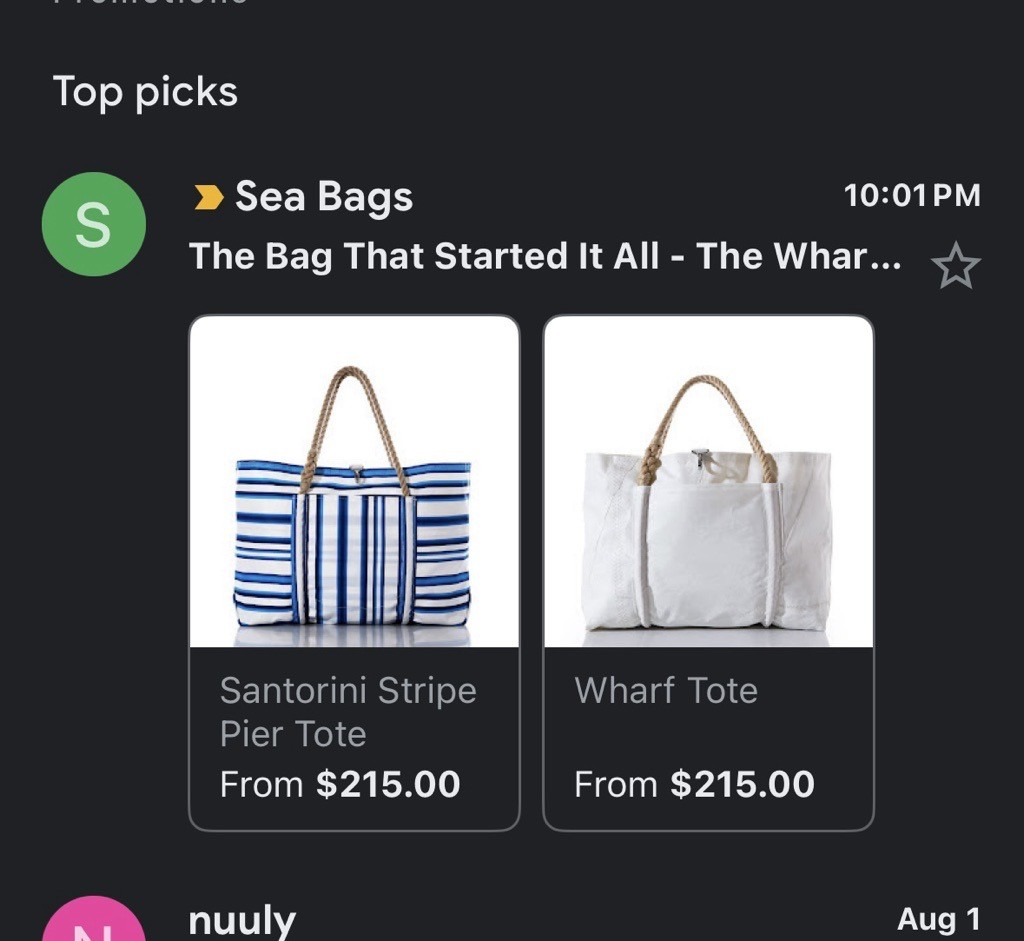
That said, Gmail now shows promotional emails in order of relevance, not recency. Google hasn’t revealed exactly how it determines what’s ‘most relevant,’ but it is likely based on a combination of engagement (how users engage and how often) and content features like discounts and exclusivity language. In other words, email marketers who lead with a deeper understanding of users will gain ground even more quickly now that Gmail is sorting by relevance.
What do these changes signify over the long term?
No matter how tech-forward the updates, Gmail continues to prioritize user experience, which is a trend I think will only continue. I also predict we’ll see more tools and functionality that surface promotional emails based on user engagement – potentially including engagement with emails from competing brands – as the AI learns what types of content and products you interact with most.
Deliverability, which I mentioned earlier in the post, will also become even more critical as Gmail rewards entities that follow bulk-sender requirements. And little visual markers (like BIMI and Annotations) that help emails stand out in the inbox will become more of a necessity than an option.

In other words, the strategies that we know work – deliverability, relevance, and personalized user experience – will continue to work and keep your brand in good competitive stead, even as AI creeps further into the inbox. Test and measure everything you can, but don’t let the bells, whistles, and new features distract you from what’s most important to the user and the spam guidelines.
We’re happy to talk shop about email best practices anytime. Hit us up at info@dmipartners.com.
DMi Partners is a full-service digital marketing agency headquartered in Philadelphia. DMi has excelled in managing award-winning campaigns for recognized consumer, B2B and ecommerce brands since 2003. Its innovative email and affiliate management accompany an arsenal of digital services including SEO, paid search, ecommerce, branding and interactive, social media marketing and advanced marketing analytics designed to engage target audiences to drive revenue.
Staffed by big agency talent and offering the personal attention and agility of a boutique, DMi has a proven track record of delivering the highest quality marketing strategy, execution and results. Learn more by visiting dmipartners.com or contact info@dmipartners.com.

opens contact form
opens in a new tab
toggles visibility of form to submit resume
remove added file
