
In a landscape where AI is summarizing emails before subscribers even open them, email gamification offers something no algorithm can compress: a reason to actually click.
What Is Email Gamification?
Gamification (pronounced Game-ification) is a way to apply interactivity and fun to marketing tactics. In email marketing, this means transforming a static promotional message into something subscribers can participate in.
Rather than sending an email that gets read (or worse, skipped), gamified email campaigns create experiences. A subscriber doesn’t just see your offer. They uncover it, earn it, or play for it. That framing changes the way they engage and leaves a lasting impression.
Why Email Gamification Works Right Now
With AI-powered inbox tools like Gmail’s Gemini integration and Apple Intelligence in iOS 18’s Mail app automatically generating summaries and new preview experiences, traditional promotional emails are getting compressed into a single sentence before a subscriber ever sees them.
Gamified elements create interactive moments that give readers something AI simply can’t compress into a summary. When the email itself is the interaction, skipping it means missing out on an experience. Which can entice subscribers to open your email and engage with it.
Beyond inbox AI, gamification addresses a challenge marketers have always faced: email fatigue. If your campaigns feel formulaic, email gamification shakes things up without requiring you to reinvent your offer or your messaging goals. It creates curiosity and helps encourage subscribers to find out what’s on the other side of a click.
Five Formats to Consider for Your Gamification Email Marketing
Gamification isn’t one-size-fits-all. The right format depends on your audience and your offer. Here’s a breakdown of five common formats, what they’re best for, and what to watch out for:
Spinning Wheel
Best for promotions with variable discounts. Think 10%-30% off or mystery offers. Spinning wheels work because they leverage anticipation and randomness, giving the experience high perceived value. Even a smaller discount feels exciting when it’s been “won.” The watchout: they can attract discount-driven shoppers rather than building long-term loyalty.
Click to Reveal
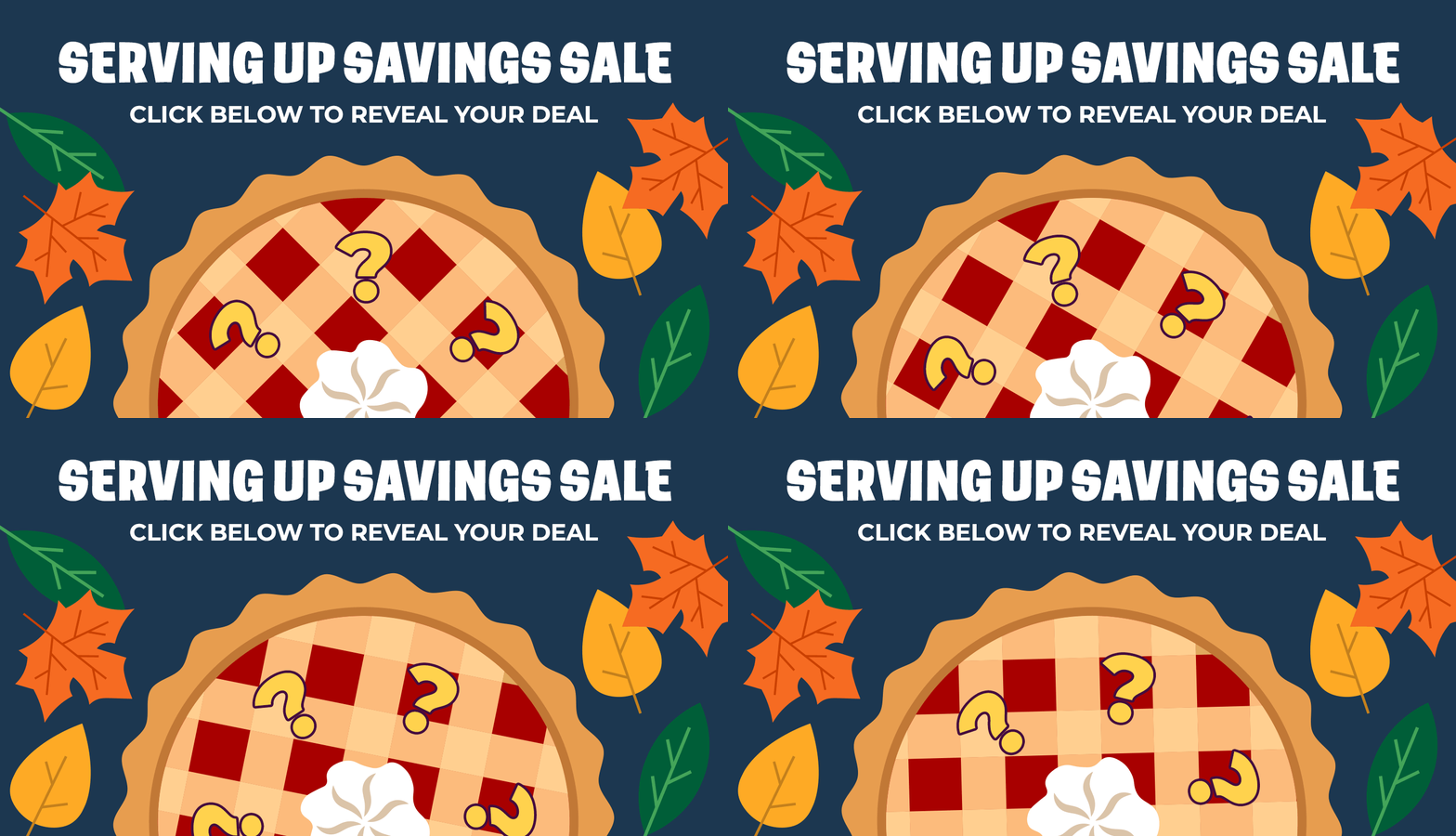
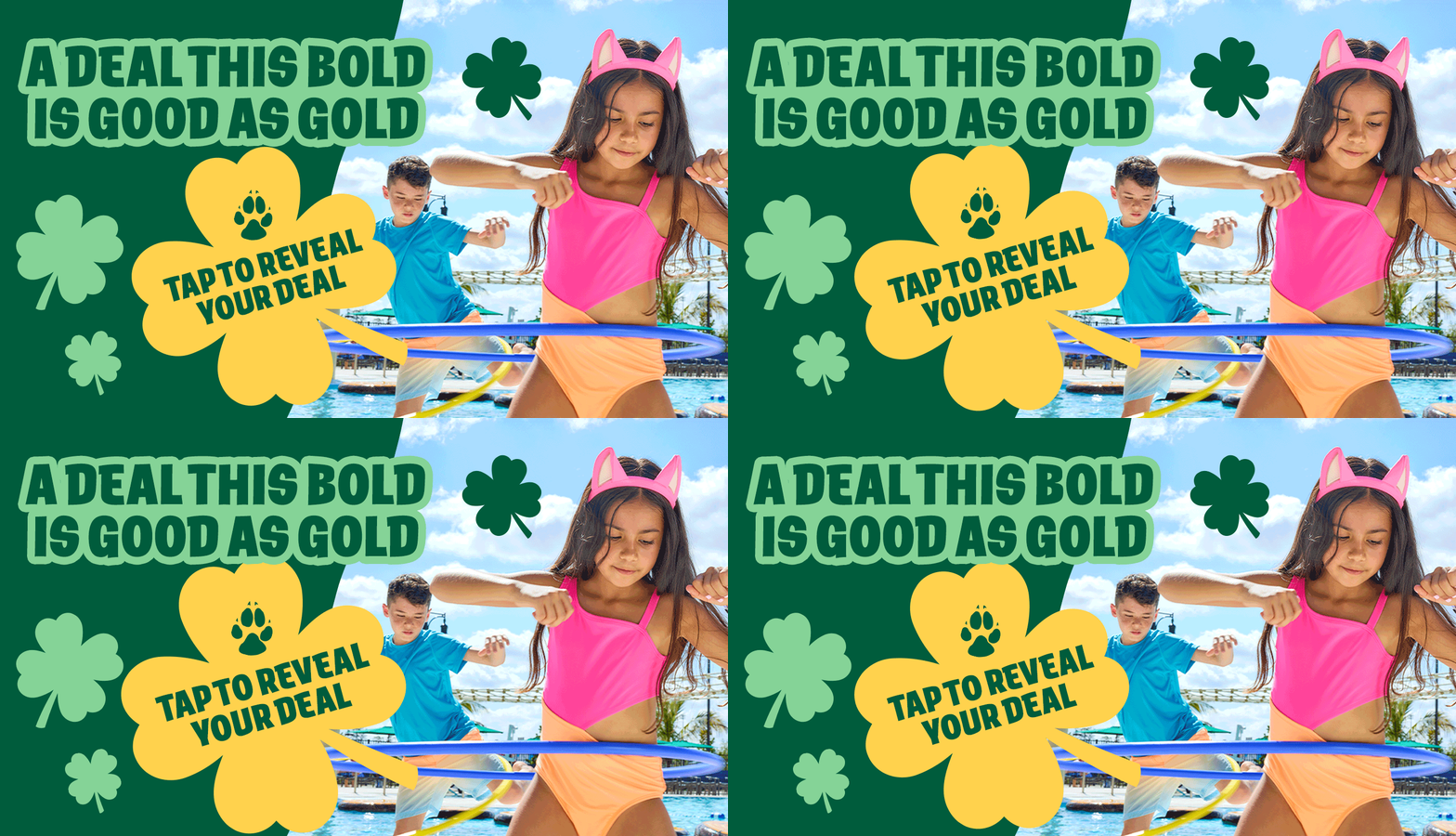
Best for product drops, exclusive offers, or campaigns where click engagement is a primary KPI. The format works because it creates a curiosity gap and is flexible enough to support personalization (different reveals for different segments). Keep in mind that it’s less of a traditional game format, so it requires strong teaser copy to actually drive the click.
Quiz/Survey
Best for personalization strategies, welcome journeys, or any campaign where learning more about your subscriber adds value. Quizzes work because they make the subscriber feel heard and deliver a more tailored experience. The tradeoff is effort. They ask more of the user, so there needs to be a clear payoff like results, recommendations, or a reward waiting on the other side.
Scratch-Off
Best for VIP moments and holiday campaigns. Scratch-offs mimic a physical interaction, building suspense before the reward is revealed. It’s a tactile, nostalgic experience that’s hard to replicate with other formats. The watchout is execution complexity: if the element doesn’t load or function properly, the frustration can undermine the entire experience.
Riddle
Best for brands with a witty, intellectual, or playful voice, particularly in content-driven emails. Riddles engage the brain rather than just the impulse, and done well, they can create community-building moments around a shared challenge. They’re not universally appealing though, and there’s a real risk of confusion if the riddle is too difficult. Tight alignment with brand voice is essential for this one to feel natural rather than forced.
The Great Wolf Lodge Case Study
Our hospitality and entertainment client, Great Wolf Lodge, wanted to stand out during Cyber Week, a notoriously competitive period when inboxes are flooded with promotions and attention is scarce. The team launched an A/B test to find out whether mystery could outperform transparency.
One group of subscribers received a straightforward email that called out the promotion directly. The other received a “click to reveal” version that teased the offer without disclosing it. Same promotion. Same send time. Very different results.

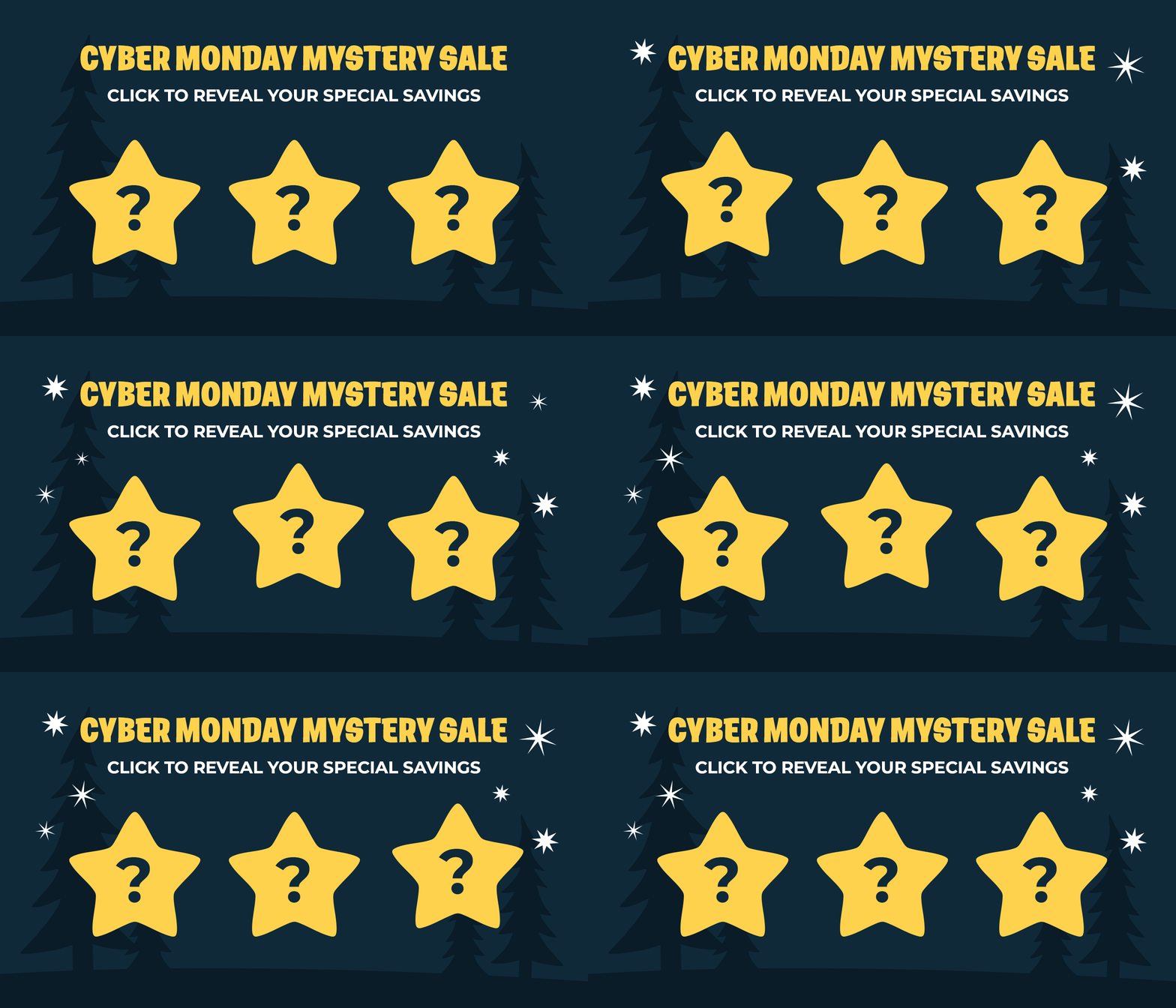
The mystery version won decisively. Click-through rate increased by 80%, reservation rate increased by 6%, and revenue increased by 5%. An 80% lift in click-through rate is the kind of result that doesn’t just validate a tactic, it reframes the entire approach to promotional email. The offer wasn’t better. The curiosity gap was.
Email Gamification Best Practices
Choose the right moment, and don’t overuse it.
Gamification loses its power when it becomes expected. Be strategic around key seasonal moments, high-stakes promotions, or holiday campaigns where novelty will have the greatest impact.
Keep load times fast.
The interactive element should support the message, not impede it. If a subscriber can’t “play the game” because of a slow load or a rendering failure, the campaign doesn’t succeed. Test across clients and devices before sending.
Make the reward immediately clear.
Always communicate what subscribers are playing for. The prospect of a specific, compelling prize is what drives participation while vague mystery without a clear payoff creates frustration, not excitement.
The Takeaway
Email gamification is a response to a real problem. When inboxes are noisy, AI is skimming on behalf of your subscribers, and promotional fatigue is at an all-time high, standing out has never been harder. Time is a very valuable resource, and brands that get attention are the ones offering something worth spending time interacting with.
An 80% lift in click-through rate started with one test. Find out what a curiosity-driven campaign could do for yours.
Explore Our Email Capabilities
DMi Partners is a full-service digital marketing agency headquartered in Philadelphia. DMi has excelled in managing award-winning campaigns for recognized consumer, B2B and ecommerce brands since 2003. Its innovative email and affiliate management accompany an arsenal of digital services including SEO, paid search, ecommerce, branding and interactive, social media marketing and advanced marketing analytics designed to engage target audiences to drive revenue.
Staffed by big agency talent and offering the personal attention and agility of a boutique, DMi has a proven track record of delivering the highest quality marketing strategy, execution and results. Learn more by visiting dmipartners.com or contact info@dmipartners.com.

Opens the contact form dialog
Opens in a new tab